Steven Murphy / CHOICE GB / Earthism / Earth Tax
For the Eco‑System to Survive – “Humans Must Lose”
As we’ve travelled along the evolutionary highway, something strange has happened. We have subconsciously shifted from viewing the Earth and its resources as the things that sustain us, to treating them as a leisure park built for our entertainment. We now move across this global resort searching for the next fix of excitement, the next new experience.
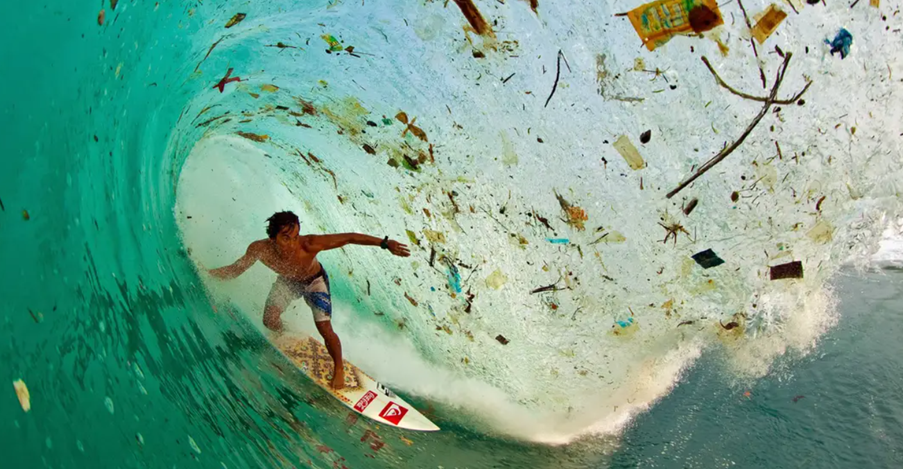
The skies are filled with humans flying from one destination to another. The seas and oceans are the same — vast ships carrying excited passengers on floating consumption palaces, cocooned from the realities of the natural world. We watch other species fight for survival as if observing a documentary, marvelling at the brutality while remaining insulated from consequence. This mental disconnect from the ecosystem is a modern phenomenon. If allowed to flourish, the consequences for future generations will be disastrous. It raises a simple question:
If we surveyed the other species on the planet and asked, “Are humans special?”, what would they say?
The answer would echo the underlying concerns of Earthism: humans, while unique in our cognitive and creative abilities, have become a species defined by excess. We have built social and financial systems that prioritise individual gain over ecological balance, ignoring the cascading effects of our actions. This excess — in population, consumption, and waste — threatens not only the ecosystems we inhabit, but our own long‑term survival.
Our exponential growth in population and life expectancy is a testament to human ingenuity, but it also highlights the strain placed on the planet’s finite resources. With every technological and medical advancement, we extend our dominion over nature, tipping the scales further in our favour and further out of balance. At what point does progress cease to be progress?, when every marginal gain for us comes at the expense of the Earth’s fragile ecosystems, a reckoning becomes inevitable.
The unchecked rise of consumption — driven by convenience, comfort, and luxury — has created a systemic disregard for the planet’s limitations. The belief in unending economic and demographic growth is a blinkered pursuit, blind to the reality of Earth’s limited carrying capacity. This brings us to the ethical dilemma at the heart of modern civilisation, we prioritise our convenience over the survival of ecosystems.
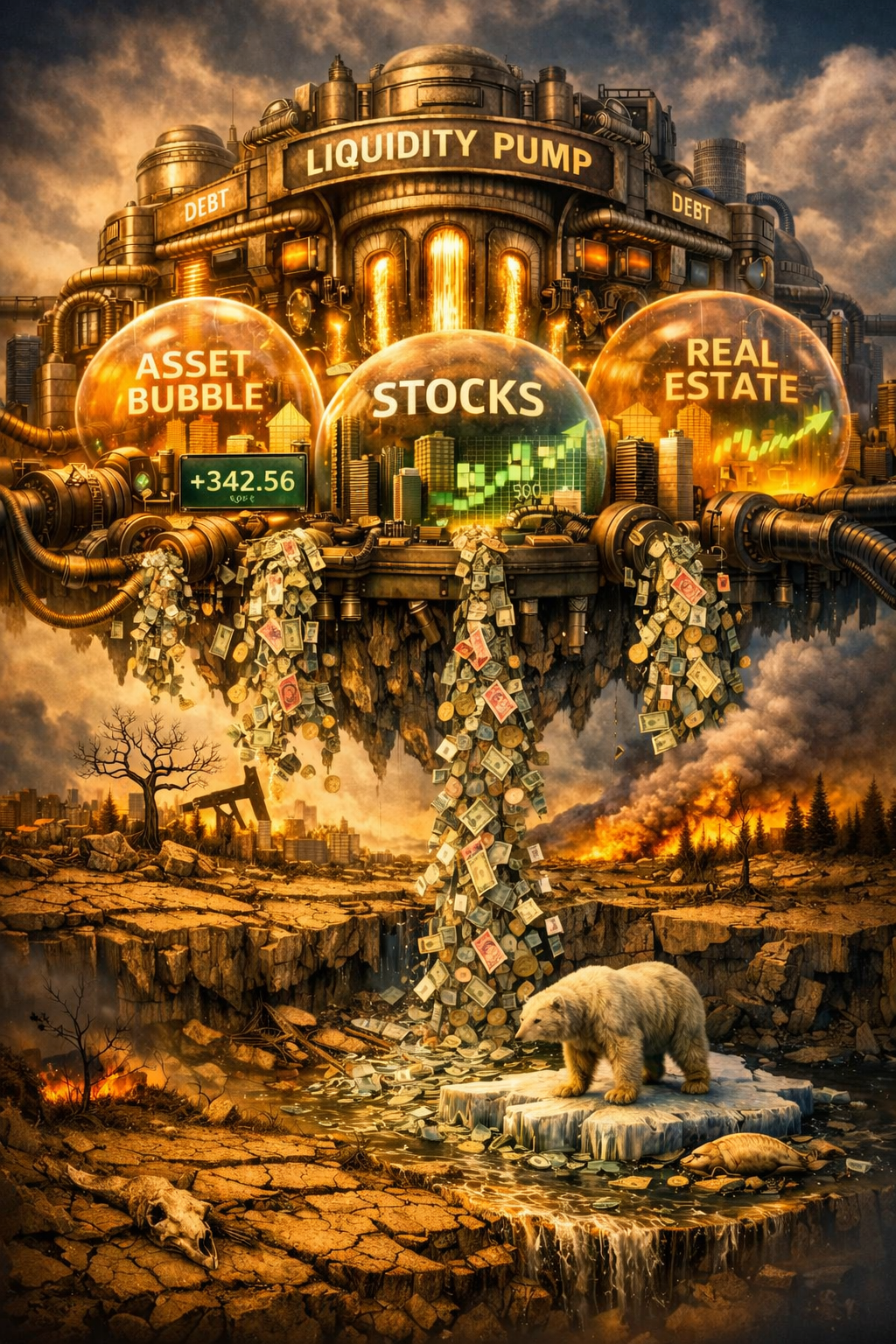
In recent years, artificial wealth has been created through money printing and financial engineering, all designed to sustain economic growth and provide populations with a lifestyle “soft landing.” At the same time, advancements in medicine and the drive to extend human life have further intensified the strain on the natural world.
Yet every manufactured solution, every human‑centred policy, pulls the natural world further into retreat. It could be argued that every “soft landing” for humans is a “hard landing” for the Earth’s ecosystem. This invites a difficult but necessary conversation about responsibility, restraint, and the philosophy of “enough.” Our pursuit of longevity and prosperity cannot come without cost — but that cost should no longer be borne disproportionately by the environment.
A shared burden must be acknowledged, a burden that requires hard choices about consumption, population size, resource allocation, ecological limits and the equitable treatment of all life. Policies that accept a slowing economy, that allow population to stabilise or decline, and that permit humans to fail without artificial rescue should not be seen as regressive. The harsh truth is this, if we do not find the humility to lose today, the entire ecosystem — and future generations — will lose tomorrow.
This demands a paradigm shift in how we view our existence and purpose. The very concept of “progress” must be interrogated, stripped of its human‑centred bias, and redefined within the limits of planetary equilibrium. What would it mean to replace perpetual growth with stability?, not stagnation — but a balanced state where human ambition coexists with the Earth’s ability to regenerate.
Our policies must evolve from reactive to proactive strategies, addressing not only the symptoms of ecological imbalance but its root causes; overpopulation, excessive consumption and relentless resource extraction. The focus must shift toward resilience — in ecosystems and in societies. This means incentivising regenerative practices, establishing caps on resource use, and embedding ecological accountability into governance.
Only then can we begin to restore the natural balance.
See CHOICE GB – Earthism / Earth Tax