Steven Murphy / CHOICE GB / Earth Tax
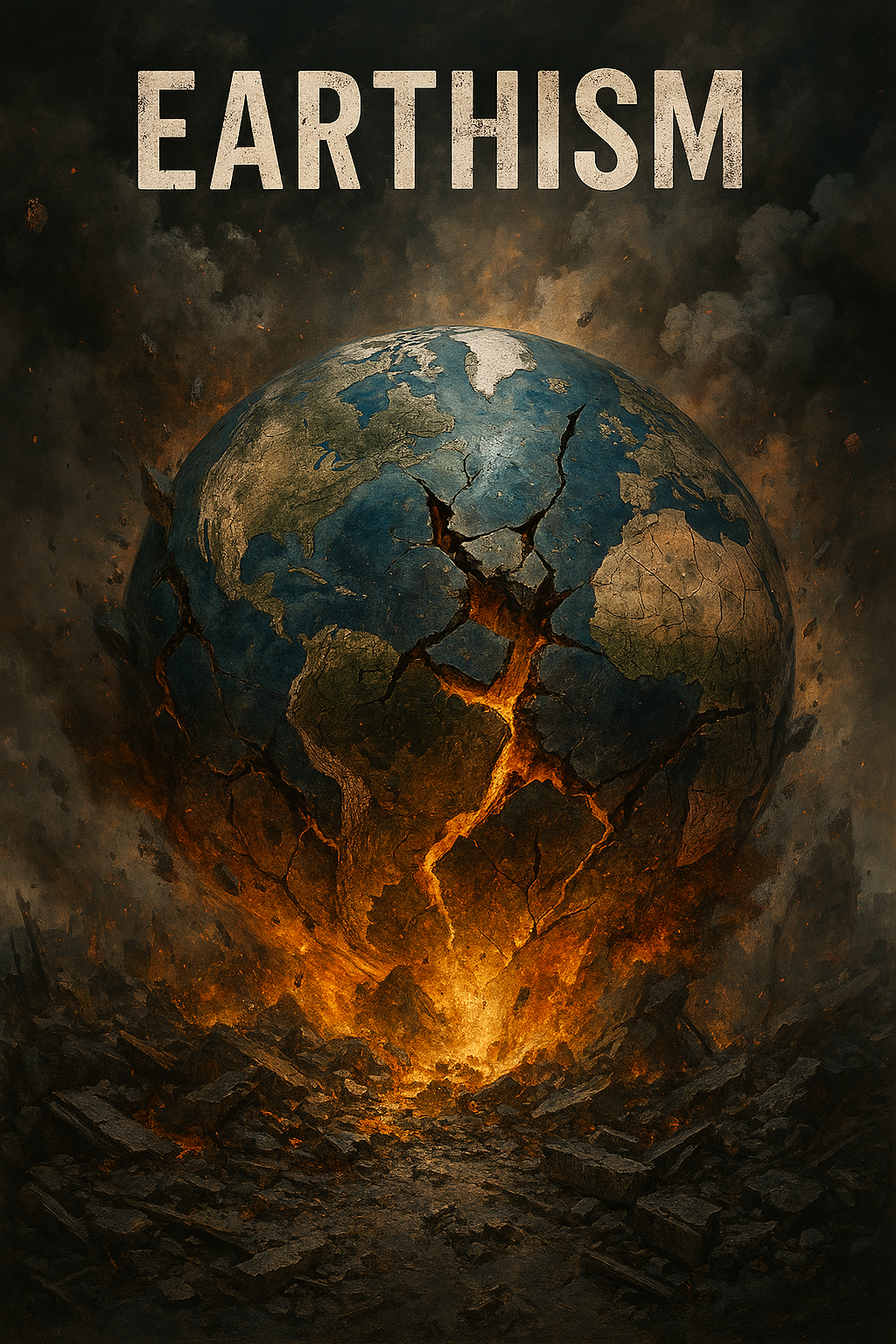
Earthism – A New Path Forward
Definition of Earthism:
“A social & economic system in which consumption is based on the ability of the individual to compete; and founded on the principle that humans have no rights or entitlement, but do have the freedom of choice and the freedom to be equal”. Steven Murphy, October 2021
Its goal:
“To restore the Earth’s natural balance, whilst working to create an environment where human ambition, endeavour & innovation are rewarded”. Steven Murphy, October 2021
For most of human history, societies lived within the limits of what they could produce, trade, or physically extract. Consumption was constrained by capability, not policy. Waste was limited by capacity, and environmental impact was a by‑product of survival, not engineered excess.
Over the past century — and especially the past five decades — humanity has increasingly relied on artificial economic tools to sustain lifestyles and expectations that far exceed natural limits. These tools were once rare; now they are permanent, and their use has grown exponentially.
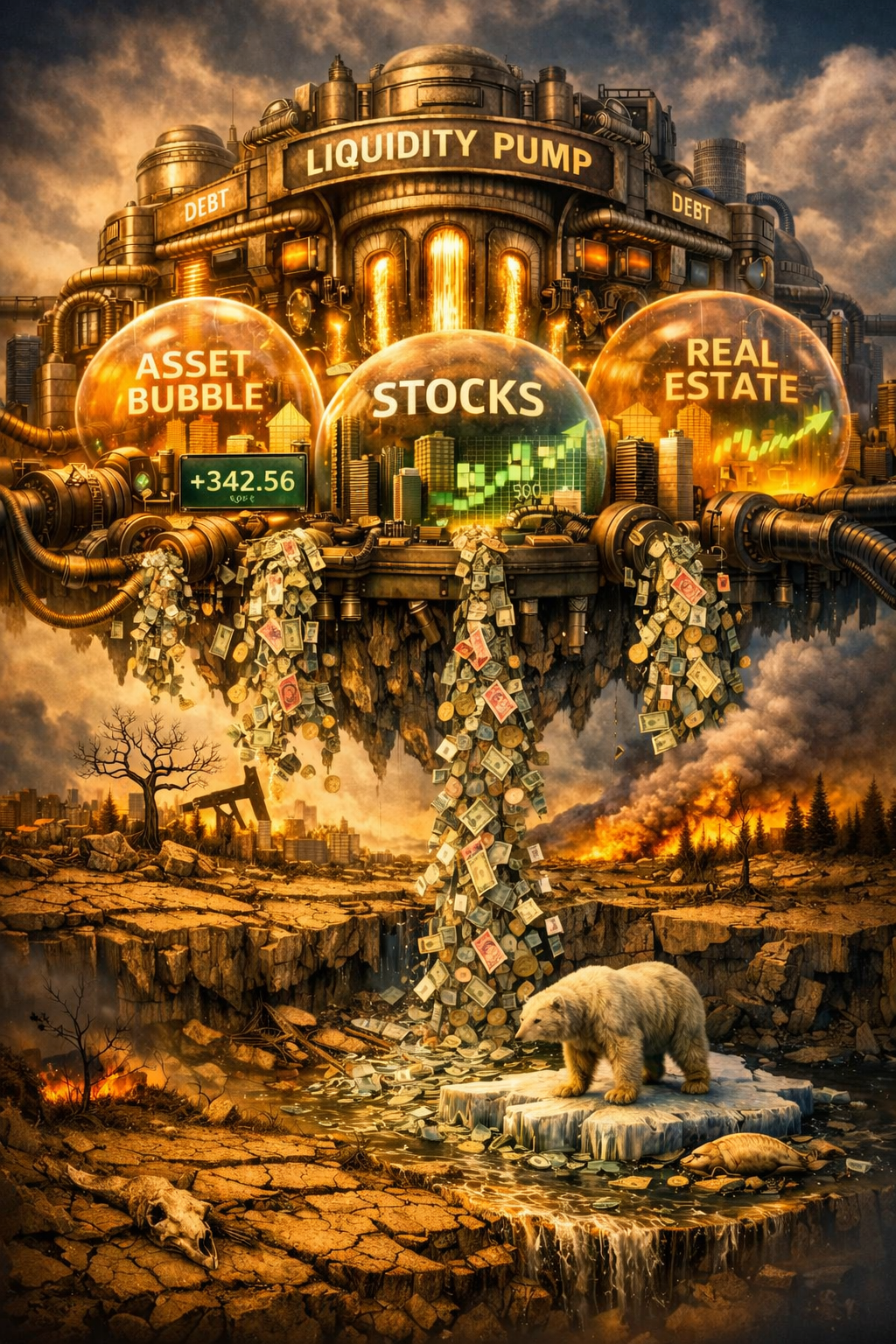
Historically, money creation was tied to physical reserves. Printing money was dangerous and used sparingly. Today, money printing has become routine. Vast sums are created to support markets and mask structural weakness in the global financial system.
Liquidity injections, once reserved for crises, are now a permanent life support for a failing system. Governments rely on them, economies depend on them, and markets expect them.
Another tool is the artificial manipulation of interest rates. Lowering rates encourages borrowing and fuels credit expansion, enabling societies to consume and create waste far beyond their natural limits. Even as economic conditions deteriorate, credit‑driven lifestyles are maintained. Debt‑fuelled growth pulls consumption from the future into today.
Cheap money hides real economic conditions and disconnects consumption from actual capability. People consume not because they can afford to, but because the system pushes them to.
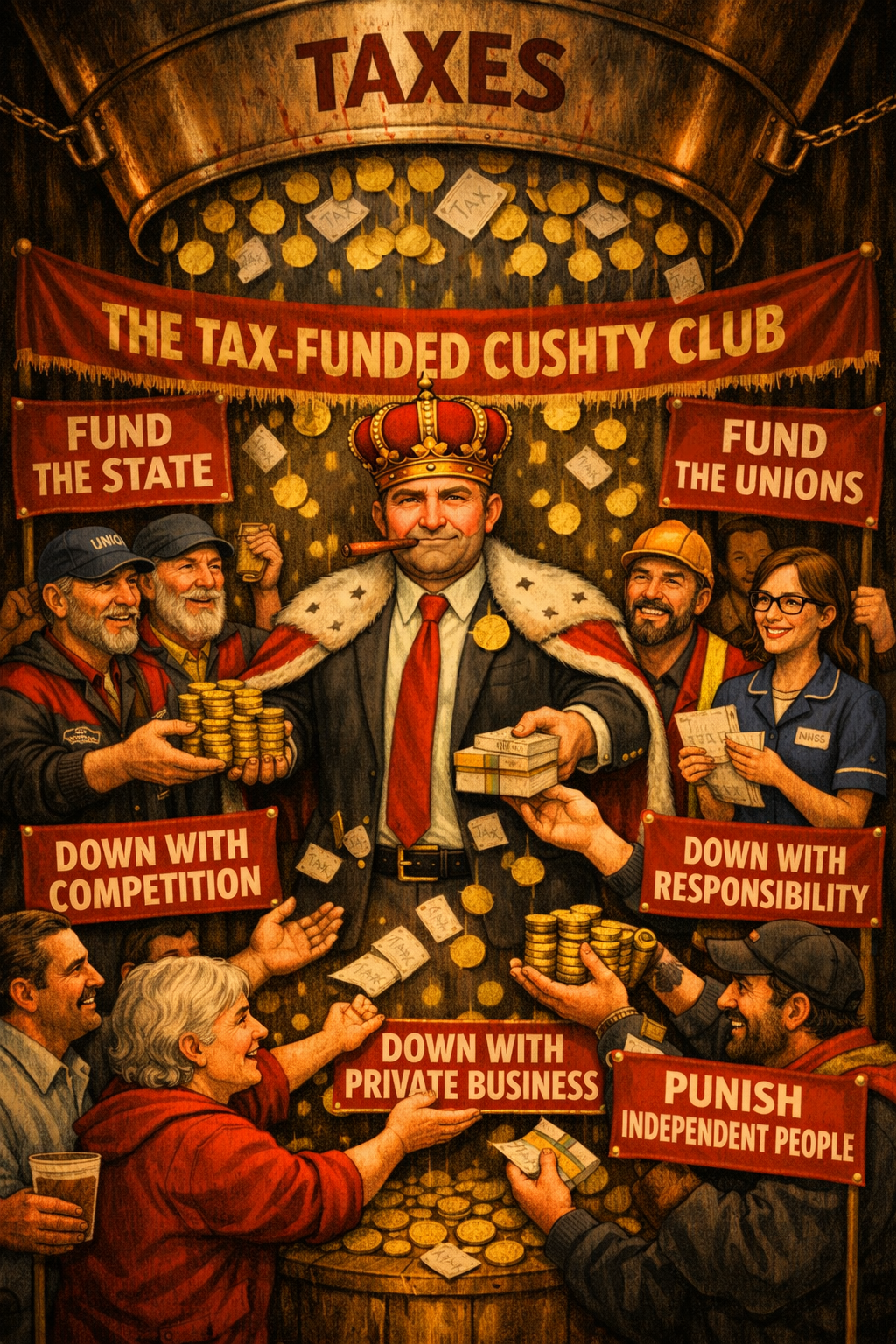
Debt is no longer used to fund long‑term development. It now sustains welfare expansion, lifestyle maintenance, and GDP inflation. Welfare systems that were once short‑term safety nets have become long‑term substitutes for contribution. This increases consumption without increasing output — a direct imbalance between what people take, what they produce, and what the Earth can sustain.
This nurtures dependent humans who consume, create waste, and pollute without contribution or ecological awareness. Artificially generated demand stimulates spending, inflates asset prices, and gives societies the illusion of wealth that does not exist. The real impact is more production, more waste, and more ecological damage.
Growth is manufactured through stimulus, subsidies, borrowing, and monetary expansion. It gives the illusion of progress while accelerating ecological decline. The combined effect of these artificial tools is clear: consumption has exploded, waste has multiplied, and pollution has intensified.
Ecosystems are collapsing under the weight of human excess. Humanity now consumes resources faster than the Earth can replenish. We generate waste faster than ecosystems can absorb. We pollute air, water, and soil at levels nature cannot neutralise. This is not accidental — it is engineered. Artificial economic tools have created lifestyles disconnected from consequence and detached from ecological reality.
These tools distort human evolution, disconnect society from consequence, inflate consumption, and accelerate ecological decline. Debt is no longer building the future — it is sustaining a crumbling system. To continue is to consign future generations to ecological poverty. We are no longer building a future; we are stealing from it.
Every artificial increase in consumption produces a real increase in waste. More production leads to more packaging, more landfill, and more pollution. This is not cultural — it is structural. These lifestyles generate pollution at every stage: extraction, manufacturing, transportation, consumption, and disposal.
Pollution is not an accident. It is the inevitable by‑product of a system designed to maximise consumption at all costs. The more artificial the economy becomes, the more polluted the ecosystem becomes. These systems remove the natural feedback loops that once governed human behaviour. When consequence disappears, responsibility disappears with it. We behave as if the Earth owes us something because the system shields us from reality.
This distortion of human evolution has reshaped behaviour in ways nature never intended. Effort is replaced by entitlement, resilience by dependency. We have diverted from evolution based on capability and endeavour to one based on ease and convenience.
By endlessly adding to the debt mountain, we continuously pull consumption from the future into today. We do not give the ecosystem room to breathe. Historically, societies borrowed and then paid down debt, giving the natural world time to recover. Now we borrow without constraint — there is no respite, we have built a system on artificial incentives that cannot correct itself — it must be replaced by one grounded in natural limits.
Earthism is the antidote. It recognises that while man‑made systems have no limits, the ecosystem that sustains us does. This mismatch is the root of the crisis, ecological collapse accelerates when humans are disconnected from natural limits. We pollute faster than ecosystems can recover, generate waste faster than it can decompose, and consume energy faster than it can be replaced.
To recover, we must restore humans natural limits. Earthism rejects the artificial mechanisms that allow humanity to exceed ecological boundaries:
- money printing
- artificially low interest rates
- liquidity injections
- debt‑fuelled consumption
- financially engineered growth
- welfare without contribution
- credit beyond capability
If a behaviour cannot be sustained by the Earth, it should not be sustained by policy. Every societal decision should put the Earth first. This is not the end of human progress — it is the beginning of sustainable progress, a return to consequence, balance, and reality.
Earthism does not ask for belief or demand acceptance. It simply presents a framework aligned with the limits of the Earth, limits of society and the capabilities of the individual. What happens next is a matter of choice — the most fundamental principle of all.
This philosophy is an invitation to see the world as it is, and to imagine what it could become when human ambition is grounded in consequence, clarity, and ecological truth.
That choice begins with you.
See CHOICE GB – Earth Tax